Your Journey of Healing
The Paradox of Generous Scattering | Sunday School Lesson PDF
The Paradox of Generous Scattering | Sunday School Lesson PDF
Couldn't load pickup availability
The Paradox of Generous Scattering | Sunday School Lesson PDF
DIGITAL PRODUCT — PDF DOWNLOAD
No physical product will be shipped.
“There is that scattereth, and yet increaseth; and there is that withholdeth more than is meet, but it tendeth to poverty.” — Proverbs 11:24
The wisdom of Scripture sometimes sounds completely backward according to the world's calculations.
Hold tightly—and you can still experience lack.
Scatter generously—and somehow there is increase.
It is a paradox.
The Paradox of Generous Scattering is a Scripture-centered Sunday School lesson exploring Proverbs 11:24–25 and the biblical principles of generosity, stewardship, open-handed living, trust, and becoming a source of refreshment to others.
This lesson is not a promise that giving money guarantees material wealth. Instead, it explores the deeper biblical truth that God calls His people away from scarcity-driven living and toward faithful, wise, generous stewardship.
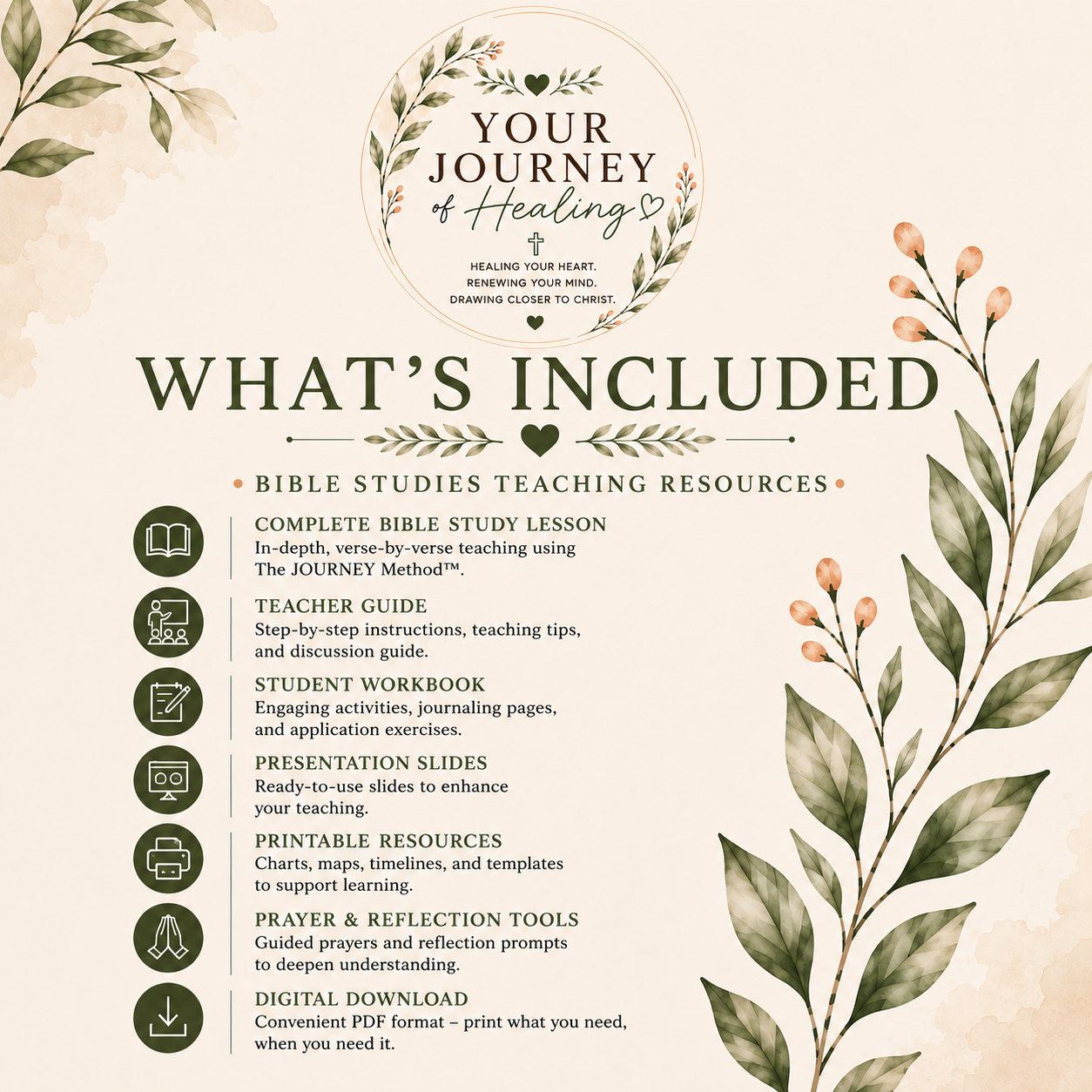
Inside This Lesson
- In-depth teaching from Proverbs 11:24–25
- Understanding the imagery of scattering
- Why generosity appears paradoxical
- Biblical generosity versus prosperity teaching
- The difference between generosity and irresponsibility
- Scarcity thinking and fear
- Trusting God as Provider
- Giving from what God has entrusted to us
- Generosity beyond finances
- Becoming someone who refreshes others
- Jesus’ teaching about giving
- Sowing and reaping in biblical context
- Generosity as an expression of worship
- Stewardship and wisdom
- Practical application and reflection questions
- Group discussion prompts
- Prayer and personal response opportunities
There Is One Who Scatters
Scattering sounds like losing.
A farmer who scatters seed appears to be throwing something valuable away.
But the farmer understands something:
Seed held permanently in the hand cannot produce a harvest.
There comes a moment when what has been received must be released.
Proverbs uses this image to teach us something about generosity.
There is a kind of open-handed living that produces fruit far beyond what we initially give.
The Temptation to Hold Tightly
Scarcity says:
There may not be enough.
Protect what you have.
Do not release anything you might need later.
Wisdom requires responsible stewardship, but fear can disguise itself as wisdom.
There is a difference between managing resources carefully and refusing to release anything because we do not trust God with tomorrow.
Generosity Is Bigger Than Money
Money is certainly part of biblical stewardship.
But generosity reaches much further.
You can generously give:
Time.
Encouragement.
Hospitality.
Attention.
Knowledge.
Compassion.
Forgiveness.
Resources.
Opportunity.
Prayer.
Sometimes the thing someone desperately needs is something God has already placed within your ability to give.
Whoever Refreshes Others
Proverbs 11:25 says:
“He that watereth shall be watered also himself.”
What a beautiful picture.
God calls His people to become refreshers.
People who leave others strengthened rather than depleted.
Encouraged rather than discouraged.
Seen rather than overlooked.
Generosity asks:
How can what God has placed in my hands become refreshment for someone else?
Generosity Is Not a Transaction
Biblical giving is not a vending machine.
We do not give God ten dollars expecting Him to return twenty.
Generosity is not manipulation.
It is worship.
Paul teaches believers to give willingly rather than reluctantly or under compulsion.
The heart matters.
We give because God has been generous toward us.
The Ultimate Example of Generosity
The Gospel itself is built upon giving.
“For God so loved the world, that he gave his only begotten Son.”
God's generosity toward us becomes the foundation for our generosity toward others.
We do not give to earn His favor.
We give because we have already received extraordinary grace.
Open Hands Can Receive Too
Closed hands may protect what they already hold.
But they also struggle to receive anything new.
Open-handed living says:
Everything I have ultimately belongs to God.
My resources.
My abilities.
My opportunities.
My time.
My influence.
I want to steward them wisely and release them faithfully when He leads.
What Are You Holding?
Perhaps the question is not:
“Do I have enough to be generous?”
Maybe the better question is:
“What has God already placed in my hands?”
A word of encouragement?
An hour of your time?
A meal?
A skill?
A listening ear?
A financial resource?
An opportunity to help?
Generosity begins with noticing what we already have.
Scatter What God Has Given You
The paradox of generous scattering challenges the world's instinct to grasp.
Kingdom generosity lives differently.
We receive with gratitude.
Steward with wisdom.
Give with joy.
Trust God with the outcome.
And become people who refresh others along the way.
You may never fully know what grows from the seeds you scatter.
A conversation may change someone's week.
An act of kindness may restore hope.
A gift may meet a need.
An encouragement may keep someone moving forward.
Scatter faithfully.
Water generously.
Trust God with the harvest.
Key Themes: Generosity • Stewardship • Giving • Trusting God • Sowing and Reaping • Scarcity • God’s Provision • Christian Living • Faith
Key Scriptures: Proverbs 11:24–25 • Luke 6:38 • John 3:16 • 2 Corinthians 9:6–8 • Acts 20:35 • 1 Timothy 6:17–19
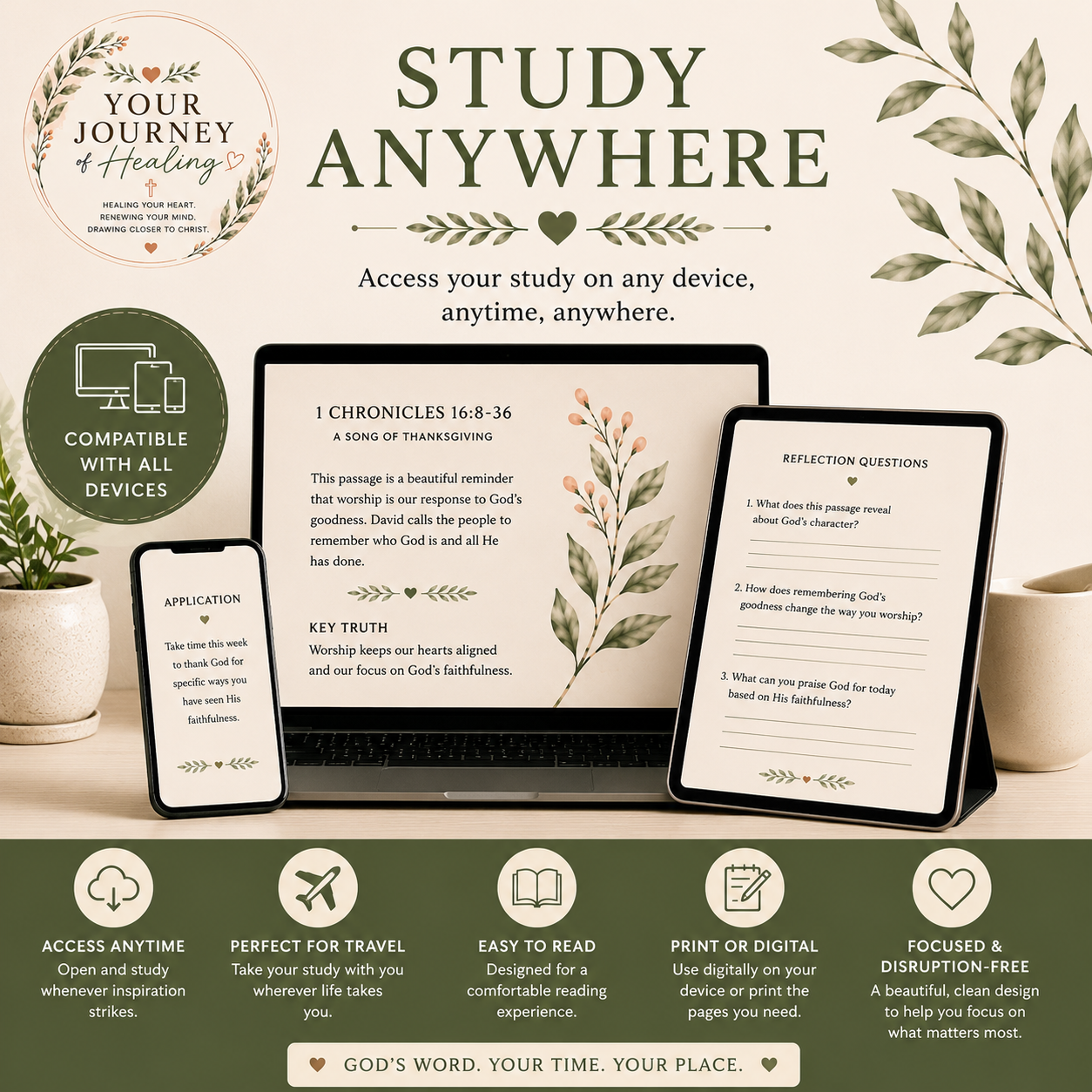
Format: Digital PDF — Instant Download
Perfect for Sunday School classes, stewardship studies, women’s ministry, small groups, Bible studies, or personal study.
Remember this: you are worthy, you are loved.
Share